The Federal Trade Commission is finally suing the World Professional Association for Transgender Health over sweeping recommendations for pediatric gender medicine that allegedly rested on weak evidence and conjecture.
The action is long overdue.
WPATH’s dishonesty should surprise no one. The organization has openly rejected basic biology.
WPATH has disregarded basic standards of medical honesty for years. Although the complaint was filed only recently, the organization’s indifference to evidence — and to the safety of gender-confused children — has long been apparent.
In 2022, WPATH removed minimum-age recommendations from its standards of care, reportedly under pressure from then-Assistant Secretary for Health Rachel Levine, a transgender-identifying male.
Thousands of detransitioners now live with the physical and psychological consequences of procedures they underwent as minors. Many of the doctors involved relied on WPATH’s prestige and guidelines to justify interventions children could not fully understand or consent to.
Most doctors are unwilling to risk their licenses by prescribing dangerous drugs or performing irreversible procedures without institutional cover, regardless of their ideological sympathies. Organizations such as WPATH, the American Medical Association, and the American Academy of Pediatrics provided that cover.
Holding those institutions accountable could bring down the entire house of cards supporting pediatric gender medicine.
WPATH’s dishonesty should surprise no one. The organization has openly rejected basic biology. In 2024, the Daily Caller News Foundation reported that a senior WPATH official denied that sex is binary.
Other reporting revealed that doctors recommending certain drugs to transgender-identifying patients knew the treatments were untested or potentially harmful but continued promoting them in the name of “justice.”
WPATH went so far as to include “eunuch” as a gender identity in draft guidelines published in 2021. It relied in part on material from the Eunuch Archive, a fetish website, to support the inclusion.
The organization suggested that doctors should castrate people who identify as eunuchs because they might otherwise attempt the procedure themselves.
RELATED: The YMCA broke the first rule of summer camp
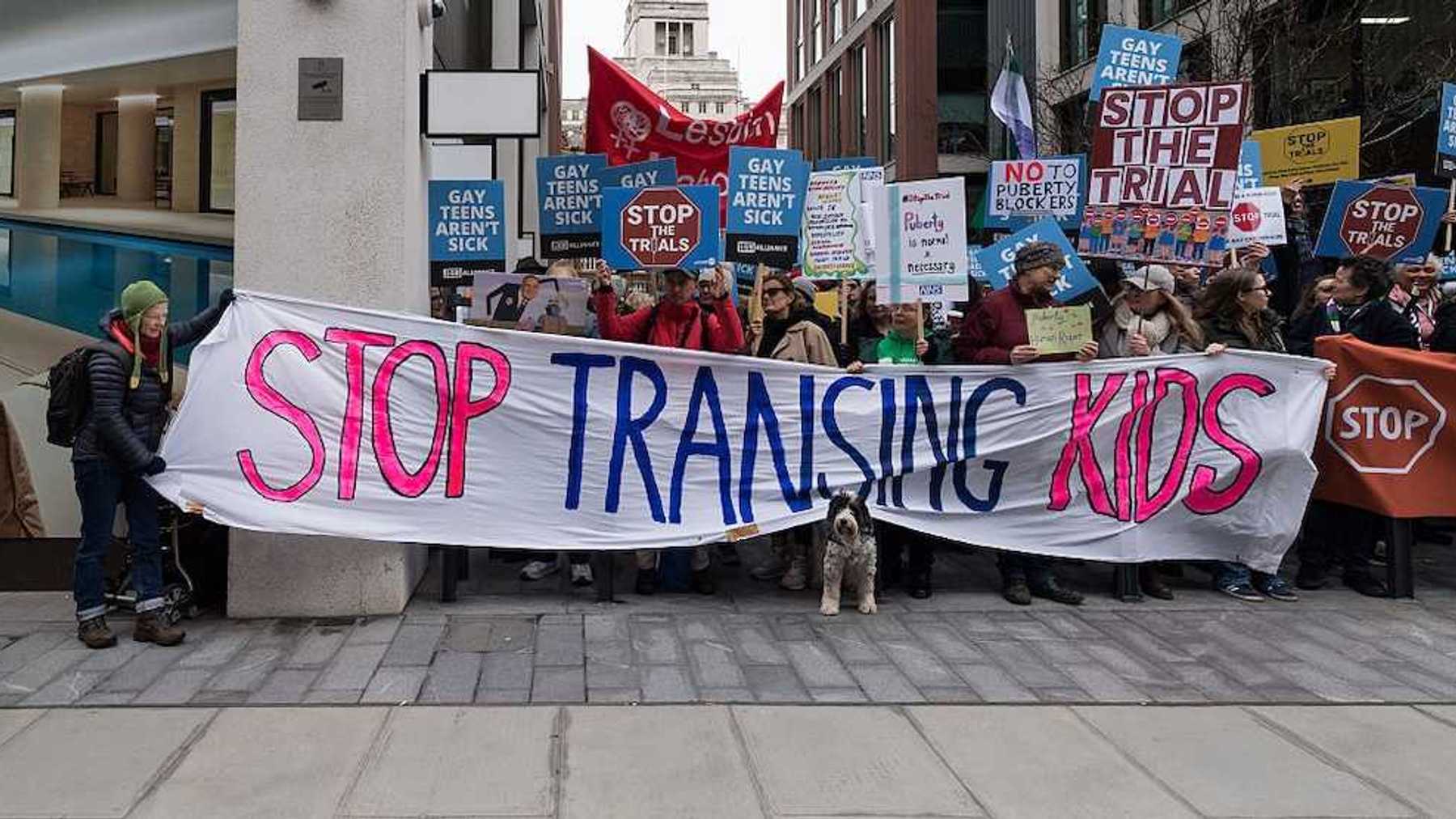
Wiktor Szymanowicz/Future Publishing/Getty Images
Why should Americans care about an organization few outside medicine had heard of until recently?
Because WPATH’s guidelines became a central source of authority in court cases defending pediatric sex-change procedures.
During 2023 litigation over an Alabama law banning such procedures for minors, opponents repeatedly cited WPATH’s standards to give their case an aura of medical credibility.
A federal judge subpoenaed WPATH’s internal documents concerning the creation of those guidelines. WPATH tried to quash the order, but the judge ruled that the material was of “crucial import” to the litigation.
The resulting documents steadily undermined WPATH’s credibility and helped lay the groundwork for the FTC’s lawsuit.
That judge understood in 2023 what the Trump administration and the FTC understand now: The medical professionals and activists behind WPATH’s guidelines helped create the current regime of pediatric gender medicine.
Calling them to account could become a decisive moment.
The FTC filed its complaint alongside attorneys general from Alaska, Iowa, Nebraska, and Texas. The consequences could extend far beyond WPATH itself, affecting doctors, hospitals, professional associations, and court cases that relied on its authority.
Most important, the case could begin addressing the institutional failure that allowed so many young men and women to be fast-tracked into procedures they ultimately regret.


 Posts
Posts


No comments:
Post a Comment