
When addressing Greenland’s strategic value within U.S. Arctic defense efforts, President Trump argued that although the European Union and NATO insisted there was no need for American control —promising instead to marshal their combined military strength to defend the territory— he remained skeptical of their assurances. Trump’s remarks were met with swift shock and visible dismay. Pearls were clutched and jaws stood agape.
However, it only took a few weeks for a moment of clarity to surface following the Israeli/U.S. decision to strike Iran and eliminate the long-standing nuclear threat. Suddenly Great Britain and Spain tell the U.S. they will not allow American military use of their joint airbases. Once, again President Trump’s lack of trust in NATO proved correct.
This visible example of unidirectional self-interest is happening at the same time European and British leadership are requesting demanding the United States provide the security guarantees for their Ukraine ambitions. The contrast is stark.
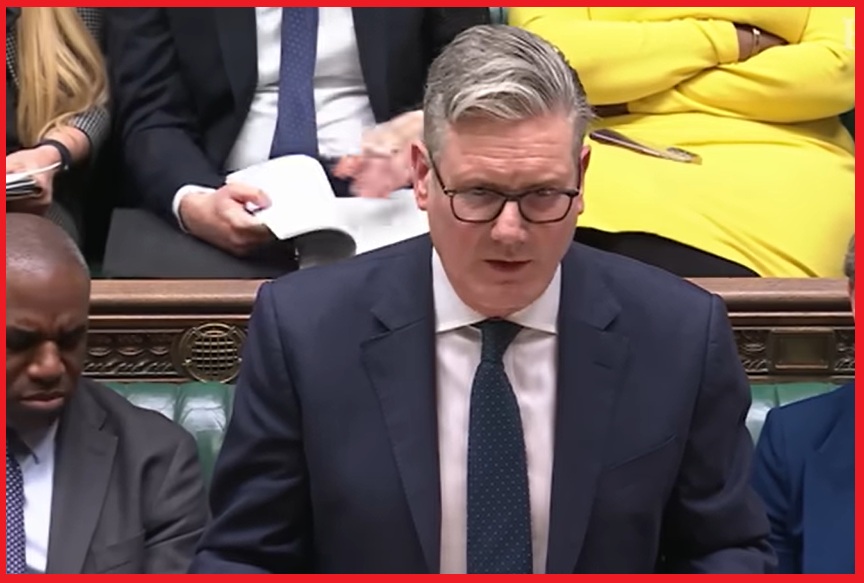
Concerns about Islamist extremism within the U.K. appear to influence the thinking of British Prime Minister Keir Starmer. With a significant number of immigrants from Muslim-majority countries now living in Great Britain, some argue that actions perceived as antagonizing more radical elements abroad could have domestic repercussions within the U.K. That said, the contrast in support is so stark that opposition leadership inside the U.K. are now confronting the British Prime Minister.
.


 Posts
Posts


No comments:
Post a Comment