
Deadly Bat Virus Study Exposes Gaps in NIH’s Overseas Research Oversight
https://legalinsurrection.com/2026/11/deadly-bat-virus-study-exposes-gaps-in-nihs-overseas-research-oversight/
A Hendra virus study left nine bats dead and an NIH watchdog uninformed of its suspension for more than 10 months, while other foreign projects lacked required animal welfare assurances.
Legal Insurrection readers may recall my June coverage of Tulsi Gabbard’s release of declassified records concerning U.S.-funded biolabs abroad, followed by documents raising questions aboutAnthony Fauci, COVID origins, and the alleged suppression of dissenting intelligence assessments.
Those stories underscored the need to establish exactly what American taxpayers were funding, and whether meaningful oversight accompanied the checks. Neither bureaucratic assurances nor attacks on inconvenient questions should substitute for transparency when dangerous pathogens are involved.
In July, I reported on the Trump administration’s new policy restricting federal support for dangerous gain-of-function research and tightening oversight of other high-risk biological work, including projects overseas. That framework was an encouraging step, but announcing safeguards and enforcing them are two very different things.
A new Fox News exclusive report offers good examples of how to distinguish between policy and actual procedures when it comes to biosafety.
According to federal records obtained by PETA (People for the Ethical Treatment of Animals) and reviewed by the news organization, foreign animal research funded by the National Institutes of Health (NIH) involved significant biosafety, staffing, and oversight failures.
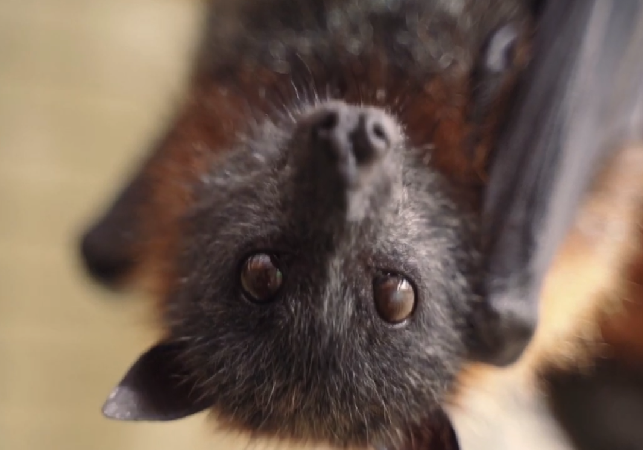
The detailed, lengthy report included many disturbing details. For example, the article describes the significant issues surrounding an Australian study involving the deadly, bat-borne Hendra virus.
Internal records show the facility suffered from insufficient appropriately trained personnel capable of conducting animal procedures at the required biocontainment level, an absence of adequate contingency planning, unclear protocols and prolonged confinement of flying foxes without proper enrichment.
After a single flying fox tested positive for Hendra virus, staff were forced to kill all eight bats housed together because the room could not be elevated to Biosafety Level 4 (BSL-4) containment. A ninth flying fox housed separately at BSL-4 was later killed after also testing positive.
The primary investigator alerted the NIH to the infections in May 2023, leading the ethics board to suspend the study weeks later. However, the NIH’s Office of Laboratory Animal Welfare (OLAW) did not receive even a preliminary report of the suspension until April 2024 — more than 10 months after the shutdown, according to records.
Hendra virus is carried by Australian fruit bats called flying foxes and can spread to horses, which can then infect people through close contact with their body fluids. Human infections are extremely rare but can cause flu-like symptoms that progress to severe breathing problems, brain inflammation, or death. Currently, no known person-to-person spread has been documented
The report does not establish that this experiment involved gain-of-function research, but it raises a very good question: What good are Washington’s promises of oversight if the watchdog learns about a shutdown nearly a year late?
In addition to the Australian institution, Fox News identified Newcastle University in the United Kingdom as having potential biosafety issues. At Newcastle, researchers conducted NIH-funded brain and stroke research on nonhuman primates.
A federal review directed the university to reevaluate PPE, tuberculosis screening, and emergency testing procedures for potential human exposure to Herpes B virus. It must be noted that Herpes B virus infection can cause inflammation of the brain and spinal cord, potentially leading to brain damage or death.
The records Fox News reviewed also reveal widespread administrative breakdowns, including grants awarded to institutions that lacked required federal authorization.
The NIH awarded a $13 million tuberculosis vaccine adjuvant contract to the University of Sydney in 2022, but the animal testing was outsourced to the Centenary Institute in Australia, an entity lacking the required NIH Foreign Animal Welfare Assurance.
The unauthorized setup went unnoticed by the NIH for years until the university inquired about the death of an experimental mouse in 2025.
The NIH also confirmed that it could find “no records of an assurance” for multiple foreign entities carrying out U.S.-funded animal studies, including Australian biotech firm Kinoxis Therapeutics, which conducted opioid withdrawal experiments on 80 dogs, 314 rats and 1,485 mice under a grant active through May 2026.
Similar record absences occurred for grants involving animal testing at institutions in Canada, Kenya and Israel.
PETA may give us plenty to laugh about with its publicity campaigns, but the records shared with Fox News clearly show there are serious safety problems that are no laughing matter. Additionally, it appears that some biological researchers are comfortable treating safety protocols as optional when they become inconvenient, despite knowing consequences could extend well beyond their laboratories.
You don’t embrace PETA’s agenda to insist that taxpayer-funded research meet basic standards of animal welfare, biosafety, and accountability.
Washington’s promised safeguards must amount to more than paperwork, both for the sake of the animals inside these laboratories and the humanity those laboratories are supposed to serve.


 Posts


No comments:
Post a Comment