
On July 30, the FBI released its annual report on active-shooter incidents, and the coverage went where you would expect: 34 attacks in 2025, a 42% increase over the year before, with 51 people killed and 115 wounded. All true. All worth knowing. Less noticed: 34 attacks were 21% below the five-year average of 43, and the five-year trend is downward.
Then there was the statistic almost nobody saw. Civilians intervened in seven attacks last year. In more than one in five incidents, people in the line of fire confronted the shooter. In 2024, civilians intervened in one out of 24 incidents. In a single year, the intervention rate rose roughly fivefold.
When seconds count, police are minutes away. You are your own first responder.
At a New Hampshire country club, a civilian hit the shooter with a chair and took his gun. At an Indiana public library, civilians overpowered a man when his shotgun malfunctioned and held him until police arrived. At an Army complex in Georgia, unarmed soldiers disarmed and restrained an attacker. At an Ohio warehouse, civilians took the weapon and forced the would-be shooter off the property. In two incidents, civilians used their own firearms. In another, a vehicle.
That is not a nation of victims waiting for instructions. It is a reminder that when violence begins, the people already there may be the only people in position to stop it. Self-defense isn’t just a right; it’s a duty.
Look at the FBI's own clock. At Annunciation Catholic Church in Minneapolis, where a gunman fired through the windows into a back-to-school Mass, killing two and wounding 28, the attack lasted roughly two minutes. The average police response in that category, from dispatch to arrival, was two minutes and 59 seconds.
I learned that arithmetic from a man who lived it. Stephen Willeford was at home in Sutherland Springs, Texas, when he heard shooting at the First Baptist Church down the road. He grabbed a rifle, loaded as he moved, ran barefoot toward the gunfire, and engaged a man who had just murdered 26 people at worship. The killer fired back. Willeford forced him to flee.
When I interviewed him, I expected to hear about courage. He wanted to talk about timing. Police were five to seven minutes behind him, he said. When seconds count, police are minutes away. You are your own first responder.
The FBI report contains the same lesson. At CrossPointe Community Church in Michigan, for example, a parishioner struck a shooter with his truck while armed church security engaged and killed him before he got inside.
Two days after the FBI published its report, the country got another demonstration. I was in Des Moines at Gun Owners of America's 50th-anniversary summit, in a hall where the case for armed self-defense was being made in every aisle. That same Saturday, it was being made in a drive-thru lane in Southern Idaho by a man who had not planned on making it.
RELATED: Jordan Salinas: Another ‘good guy with a gun’ ruins the gun control lobby’s narrative
Jason Armond/Getty Images; Facebook/JordanSalinas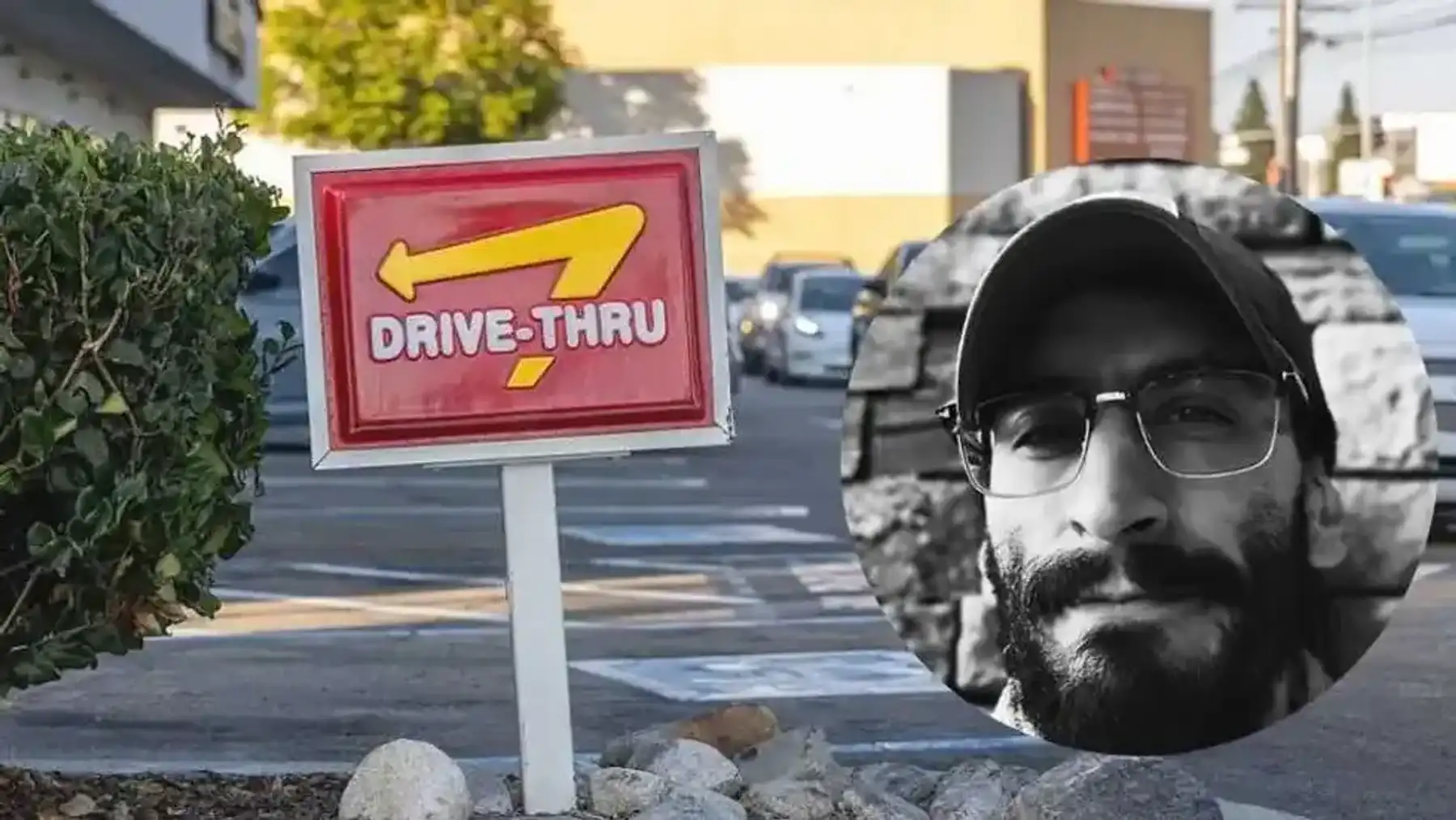
On August 1, a gunman opened fire at an In-N-Out Burger in Twin Falls, killing three people and wounding seven. A customer in the drive-thru drew a handgun. An off-duty Idaho State Police trooper drew his. Police said the two men helped drive the suspect from the scene and prevented further casualties. The gunman fled and took his own life.
None of this is a complaint about police. Officers run toward gunfire to stop further harm, and three were killed doing it in 2025. But no department in America can station an officer inside every restaurant, sanctuary, classroom, or workplace at the instant evil walks in.
The FBI has documented what an ordinary person with a chair, a truck, or a lawfully carried pistol can sometimes do before police arrive. That is what the one-in-five figure means.
Anyone asking for votes this November should sit with that number. Voters should ask a simple question in return: When the shooting starts and help is three minutes away, do your laws make it easier or harder for a law-abiding person already on the scene to defend himself and others?
The Second Amendment protects a right the founding generation understood as essential to a free people: the right to keep and bear arms. That constitutional protection does not guarantee that every armed civilian will act wisely or successfully. The FBI data does show that civilians sometimes stop attackers before police can get there.
That is worth reporting.


 Posts
Posts


No comments:
Post a Comment